Embracing growing cannabis organically means cultivating your plants without synthetic fertilizers, pesticides, or chemical additives, resulting in healthier buds, richer flavors, and a reduced environmental footprint. Whether you’re an indoor cultivator or tending an outdoor garden, organic methods harness natural soil biology, beneficial microbes, and sustainable practices to boost plant vigor and terpene expression. In this guide, we’ll cover everything you need—from soil preparation to organic pest management—to master the art of growing cannabis organically.
What Does Growing Cannabis Organically Mean?
Growing cannabis organically involves nurturing plants in a living ecosystem, using natural inputs and biological processes rather than synthetic chemicals. Key principles include:
- Living soil: Building and maintaining a dynamic soil teeming with beneficial bacteria, fungi, and earthworms that break down organic matter into plant-available nutrients.
- Natural amendments: Relying on compost, aged manure, bone meal, kelp, bat guano, and other organic fertilizers to supply a broad spectrum of macro- and micronutrients.
- Biological pest control: Employing predatory insects, companion planting, and homemade botanical sprays to prevent and manage pests without harsh chemicals.
- Microbial inoculants: Introducing mycorrhizal fungi and beneficial bacteria to enhance root uptake of water and nutrients, promoting vigorous growth and resilience.
By prioritizing ecology over chemistry, those growing cannabis organically create a self-sustaining environment where plants thrive naturally, buds develop richer terpene and cannabinoid profiles, and environmental impact is minimized.
Benefits of Growing Cannabis Organically
- Healthier Plants and Cleaner Buds: Soil enriched with organic matter and microbes produces robust root systems and strong plant immunity, resulting in buds free from chemical residues—ideal for consumers seeking pure, untainted cannabis.
- Improved Soil Fertility: Organic amendments like compost and aged manure gradually release nutrients and build soil structure over time, ensuring each successive crop benefits from a richer growing medium.
- Environmental Sustainability: Avoiding synthetic fertilizers and pesticides reduces runoff pollution, conserves water, and supports biodiversity—making your garden part of a healthier ecosystem.
- Enhanced Flavor and Aroma: Natural cultivation encourages higher terpene production, so organically grown cannabis often boasts more pronounced flavors and aromatic profiles compared to chemically fertilized counterparts.
- Cost Efficiency: While initial investment in soil and amendments can be higher, reusing compost and integrating on-site waste streams (e.g., kitchen scraps) lowers long-term input costs.
Essential Components for Organic Cannabis Cultivation
Soil Selection and Preparation
Choosing the right soil is the cornerstone of growing cannabis organically. Look for an organically amended potting mix or create your own “living soil” by blending:
- Base soil: High-quality loam or coco coir for good aeration and drainage.
- Compost: Rich in decomposed organic matter to feed microbes and provide balanced nutrients.
- Worm castings: A natural source of beneficial bacteria and micronutrients that boost root health.
- Perlite or pumice: To improve drainage and prevent waterlogging.
Before planting, “cook” your soil by lightly moistening it and covering with a tarp. Allow native microbes to colonize and break down organic matter for 2–4 weeks—this results in a nutrient-rich medium ready to support vigorous cannabis growth.
Organic Nutrients and Amendments
Beyond your base soil, supplement with targeted organic amendments throughout the plant’s life cycle:
- Vegetative stage: Apply compost tea or fish emulsion for a nitrogen boost.
- Pre-flowering stage: Add bat guano or blood meal to encourage leafy growth.
- Flowering stage: Use bone meal, kelp meal, and alfalfa meal to support bud development and terpene synthesis.
- pH buffering: Incorporate dolomite lime or azomite to maintain soil pH between 6.2–6.8 and replenish trace minerals.
Beneficial Microbes and Mycorrhizae
Microbial life is the driving force behind growing cannabis organically. Inoculating your soil with:
- Mycorrhizal fungi: Form symbiotic relationships with roots to enhance water and nutrient uptake, especially phosphorus.
- Beneficial bacteria (e.g., Bacillus subtilis): Suppress pathogens, promote root health, and accelerate organic matter decomposition.
- Trichoderma spp.: A fungal antagonist that protects roots from harmful fungi while boosting plant immunity.
These microbes work in concert to create a dynamic rhizosphere, ensuring your cannabis plants have continuous access to nutrients and natural disease resistance.
Organic Pest and Disease Management
Keeping pests and diseases at bay is essential when growing cannabis organically. Instead of chemical pesticides, organic growers rely on an integrated pest management (IPM) approach:
- Preventive cultural practices: Rotate crop locations, maintain clean growing areas, and prune lower foliage to improve air circulation and reduce humidity pockets where mold can develop.
- Beneficial insects: Introduce ladybugs, predatory mites, and lacewings to feed on common pests like aphids, spider mites, and whiteflies.
- Companion planting: Grow marigolds, basil, or nasturtiums alongside cannabis to repel pests naturally and attract pollinators that help maintain a balanced ecosystem.
- Homemade botanical sprays: Use neem oil, insecticidal soap, or garlic-chili extracts for spot treatments, applying early in the morning or late afternoon to minimize plant stress.
- Regular scouting: Inspect leaves, stems, and soil weekly to detect early signs of infestation or disease, enabling swift organic intervention.
Watering and Irrigation Strategies
Consistent, balanced watering is crucial for growing cannabis organically. Overwatering can suffocate roots, while underwatering stresses plants and reduces nutrient uptake. Consider these strategies:
- Drip irrigation: Delivers water slowly to the root zone, reducing runoff and encouraging deep root growth.
- Rainwater harvesting: Collect and use natural rainwater, which is free of chlorine and chemical additives found in tap water.
- Mulching: Apply organic mulch (straw, wood chips) on the soil surface to retain moisture, regulate temperature, and suppress weeds.
- Moisture monitoring: Use a soil moisture meter or the finger test (insert your finger 2–3 cm into the soil) to water only when the top layer feels dry.
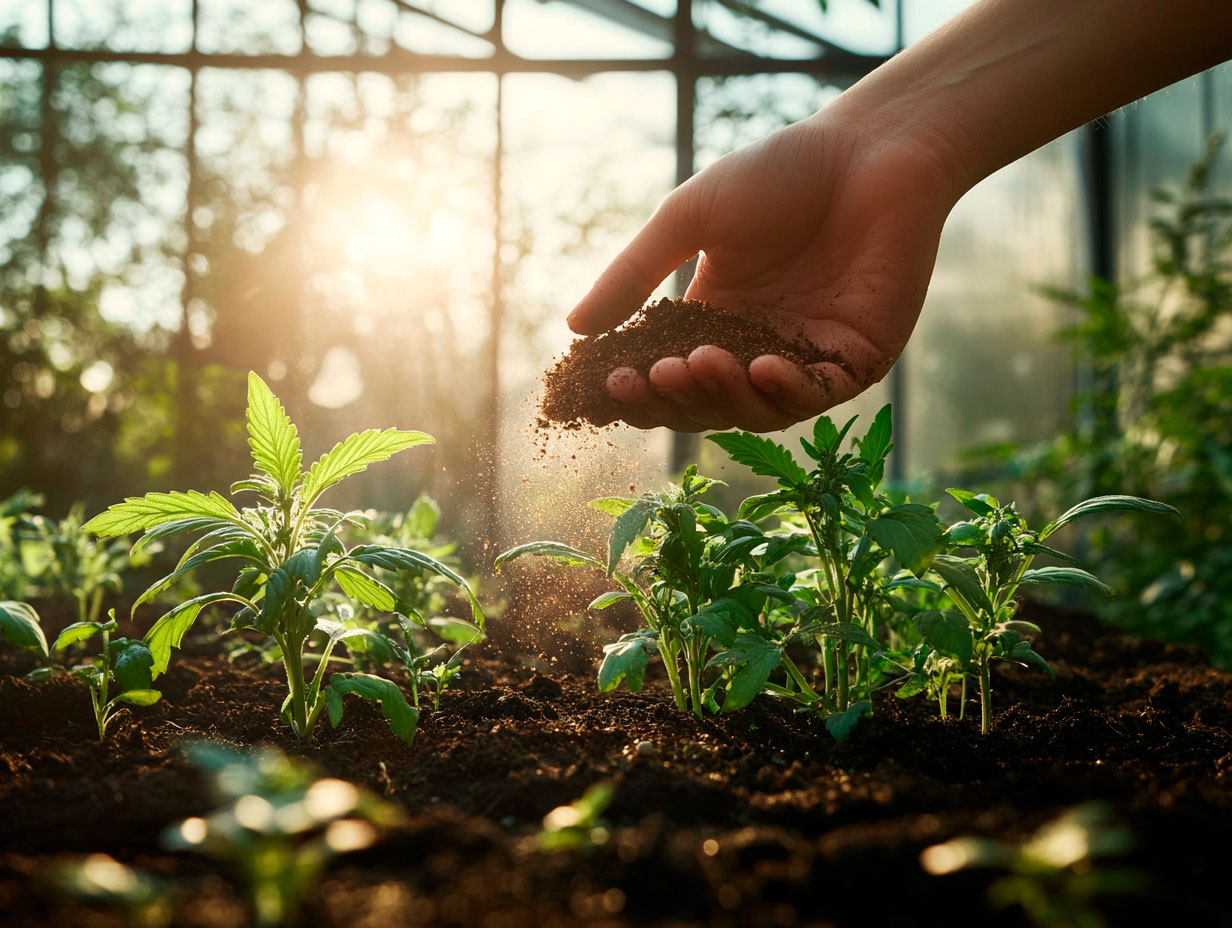
Light, Temperature, and Humidity for Organic Growth
Optimizing environmental conditions enhances the benefits of growing cannabis organically. Whether indoors or outdoors, aim for:
- Light: Provide 18–24 hours of light during vegetative growth and 12 hours during flowering, using full-spectrum LED or natural sunlight for robust bud development.
- Temperature: Maintain daytime temperatures between 20–28 °C and nighttime lows of 15–20 °C to support metabolic processes without heat stress.
- Humidity: Keep relative humidity at 60–70% in vegetative stages and lower to 40–50% during flowering to prevent mold and bud rot.
- Airflow: Circulate fresh air with fans or natural breezes to strengthen stems and reduce stagnant moisture around foliage.
Harvesting, Drying, and Curing Organically Grown Cannabis
Proper post-harvest handling preserves the full spectrum of cannabinoids and terpenes—key benefits of cannabis quality. Follow these steps:
- Harvest timing: Harvest when trichomes are milky-white with some amber heads, indicating peak THC and terpene levels.
- Drying: Hang branches upside down in a dark room with 45–55% humidity and temperatures of 18–22 °C for 7–14 days, ensuring slow, even drying.
- Curing: Trim buds into airtight glass jars and burp (open) them daily for the first week to release excess moisture, then weekly for 4–6 weeks to develop smooth flavor and aroma.
- Storage: Keep cured buds in a cool, dark place at 55–65% humidity to maintain potency and prevent mold.
Common Mistakes and How to Avoid Them
Even experienced gardeners encounter challenges when growing cannabis organically. Avoid these pitfalls:
- Skipping soil “cooking”: Planting too soon prevents full microbial colonization, leading to nutrient deficiencies. Always allow 2–4 weeks for your living soil to mature.
- Over-reliance on supplements: Excessive amendments can imbalance soil biology. Follow feeding schedules and monitor plant responses before adding more nutrients.
- Poor pest scouting: Missing early signs of infestation allows pests to multiply rapidly. Inspect plants weekly and act at the first sign of trouble.
- Ignoring environmental controls: Fluctuating temperatures and humidity can stress plants. Use fans, dehumidifiers, or shading cloths to stabilize conditions.
Conclusion: Embracing Organic Cannabis Cultivation
By adopting the principles and practices of growing cannabis organically, you cultivate not only healthier plants but also a more sustainable and rewarding garden ecosystem. From building living soil and leveraging beneficial microbes to employing organic pest management and careful post-harvest techniques, each step enhances flavor, potency, and environmental harmony. Embrace these methods to unlock the full potential of your cannabis crop and contribute to a cleaner, greener future for cultivation.
For detailed scientific evidence on organic cultivation practices and their impact on cannabis growth and soil health, see the NCBI study “Effect of biofertilizers and humic acid on cannabis productivity and soil microbial activity” at NCBI – Cannabis Organic Biostimulants Study.