If you want healthy cannabis plants with high yields and potent buds, using the best nutrients for weed plants is essential.
Unlike regular houseplants or vegetables, cannabis has unique nutrient needs at different growth stages.
Understanding how to properly feed weed plants can make a significant difference in resin production, terpene profiles, and overall plant health.
In this guide, we’ll explore the key nutrients that cannabis needs, how they compare to other plants, and tips to maximize your grow.
Whether you’re growing organically or using synthetic fertilizers, this article will help you understand what makes cannabis feeding special.
Why Do Weed Plants Need Specialized Nutrients?
Cannabis is a fast-growing plant that requires precise nutrient management to reach its full potential. Compared to common garden plants like tomatoes or peppers, weed plants have specific needs due to:
- High Resin Production: More nutrients are required to support trichome growth and potency.
- Unique pH Requirements: Weed thrives in a slightly acidic environment (pH 6.0–6.5 for soil, 5.5–6.0 for hydroponics).
- Fast Growth Rate: Cannabis plants need a constant supply of nutrients at each stage of development.
- High Nutrient Demand: Compared to most plants, cannabis requires more nitrogen, phosphorus, and potassium, especially during key growth phases.
- Trichome Development: The production of cannabinoids and terpenes is closely linked to the correct balance of nutrients.
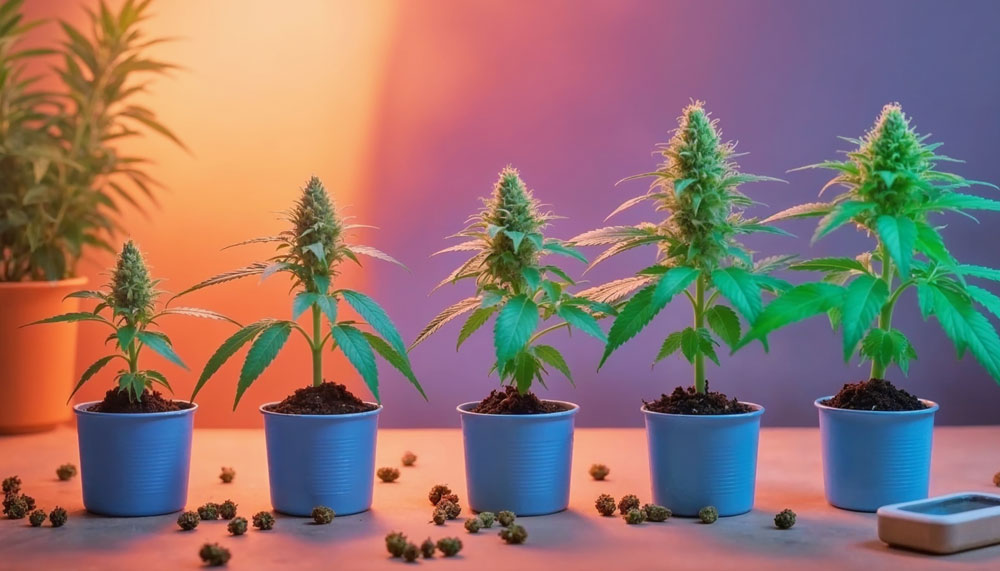
Best Nutrients for Weed Plants – What They Need at Each Growth Stage
1. Seedling Stage (Weeks 1–3)
- Minimal nutrients required.
- Focus on root development using low nitrogen fertilizers.
- Ideal Nutrients: Calcium, magnesium, and root stimulators.
- Avoid overfeeding at this stage, as young roots are sensitive.
2. Vegetative Stage (Weeks 4–8)
- High nitrogen (N) for strong leaf and stem growth.
- Moderate phosphorus (P) and potassium (K).
- Ideal Nutrients: NPK Ratio 3-1-2 or 4-2-3.
- Incorporate micro-nutrients like iron and zinc to support strong metabolism.
3. Flowering Stage (Weeks 9–12)
- Lower nitrogen to reduce excessive leaf growth.
- Higher phosphorus and potassium for bud production.
- Ideal Nutrients: NPK Ratio 1-3-3 or 0-5-5.
- Enhancing terpene production requires additional sulfur and magnesium.
Providing the best nutrients for weed plants at each stage of growth is crucial for strong root development, vigorous vegetative growth, and dense bud production. A healthy root system is the foundation of a thriving cannabis plant, ensuring efficient nutrient uptake and resilience against stress factors. Understanding how roots interact with nutrients can significantly improve plant health and yield.
For an in-depth look at cannabis root development and how it affects nutrient absorption, check out this Cannabis Root System Guide.
Organic vs. Synthetic Nutrients – Which Is Better?
Cannabis plants require the best nutrients for weed plants at each stage of growth to maximize yield, potency, and overall health.
Understanding the right nutrient balance at every phase helps prevent deficiencies, ensures proper bud development, and maintains a strong root system.
From the delicate seedling phase, where minimal nutrients are needed, to the vegetative stage, which requires high nitrogen for leafy growth, and finally the flowering stage, where phosphorus and potassium are essential for bud formation—each step demands precise nutrient management.
Below is a breakdown of the best nutrients for weed plants at each stage to help your plants thrive.
Organic Nutrients
- Natural fertilizers like compost, worm castings, and bat guano.
- Enhances soil health and improves terpene production.
- Slower nutrient release but long-term benefits.
- Less risk of nutrient burn and better for sustainable growing.
Synthetic Nutrients
- Man-made fertilizers designed for fast absorption.
- Precise control over nutrient levels.
- Risk of nutrient burn if overused.
- More consistent yields due to exact dosing capabilities.
Comparing Nutrient Needs: Cannabis vs. Other Plants
1. Cannabis vs. Vegetables
- Higher phosphorus & potassium demand during flowering.
- Requires lower pH levels compared to most veggies.
- Unlike leafy greens, cannabis needs strict light cycles to trigger flowering.
2. Cannabis vs. Hydroponic Plants
- Hydro systems need more precise pH control (5.5–6.0).
- Faster nutrient uptake in hydroponics vs. soil.
- Hydroponic systems often require additional oxygenation to prevent root rot.
3. Cannabis vs. Houseplants
- Needs higher light intensity and frequent nutrient adjustments.
- Soil nutrients deplete faster than in houseplants.
- Cannabis requires more frequent pruning and training compared to decorative plants.
When comparing the best nutrients for weed plants in hydroponic versus soil-based cannabis cultivation, it’s essential to understand that hydroponic systems deliver nutrients directly to plant roots through water, allowing for precise control over nutrient concentrations.
In contrast, soil-based systems rely on the soil’s nutrient content and its ability to retain and release nutrients over time. This distinction means that hydroponic growers must monitor and adjust nutrient solutions more frequently to ensure optimal plant health, while soil growers depend on the soil’s natural buffering capacity to regulate nutrient availability.
For a comprehensive comparison of hydroponic and soil nutrients, you can refer to this reputable source: Hydroponics – Nutrient Solutions.
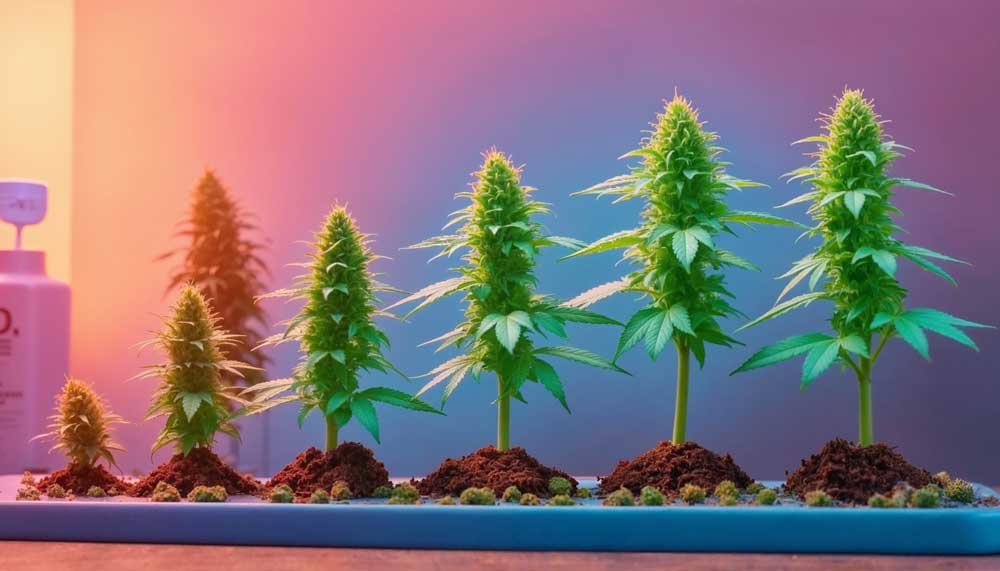
Avoiding Nutrient Burn and Deficiencies in Weed Plants
Cannabis has unique nutrient requirements that set it apart from other common plants, including vegetables, hydroponic crops, and houseplants. While many plants thrive with general-purpose fertilizers, the best nutrients for weed plants provide a precise balance of macronutrients and micronutrients to maximize growth and resin production.
Unlike vegetables, cannabis demands higher phosphorus and potassium levels during flowering, as well as specific pH levels to ensure proper nutrient absorption. When compared to hydroponic plants, cannabis requires more controlled feeding schedules and oxygenation techniques. Additionally, unlike houseplants, which can survive on minimal adjustments, cannabis needs frequent nutrient monitoring, pruning, and specialized lighting conditions to flourish.
Below is a comparison of how the best nutrients for weed plants differ from those of other plants.
🚫 Signs of Overfeeding (Nutrient Burn)
- Yellow or brown leaf tips.
- Curling leaves.
- Plants stop absorbing water properly.
✅ Common Nutrient Deficiencies
- Nitrogen Deficiency: Yellowing leaves at the bottom.
- Magnesium Deficiency: Rusty brown spots.
- Potassium Deficiency: Weak stems and slow bud growth.
- Calcium Deficiency: Leaves curl upwards and develop small rust spots.
Choosing the Best Fertilizers for Weed Plants
Selecting the right fertilizer is crucial for optimizing your cannabis plant’s growth, potency, and overall health. The best nutrients for weed plants provide the essential elements cannabis needs at each stage, ensuring strong roots, vigorous vegetative growth, and large, resinous buds during flowering.
There are organic and synthetic options, each with its own advantages. Organic fertilizers improve soil health and microbial activity, leading to better nutrient absorption over time. Meanwhile, synthetic fertilizers offer fast nutrient delivery and precise control over feeding schedules, making them ideal for high-yield grows.
Below are some of the best nutrients for weed plants, chosen for their effectiveness in different growing setups and growth stages.
Top Recommended Fertilizers
- FoxFarm Grow Big: Best for vegetative growth.
- Advanced Nutrients Big Bud: Increases flower size.
- General Hydroponics Flora Series: Ideal for hydroponic setups.
- BioBizz Organic Fertilizers: Best for growers who prefer natural feeding methods.
- Earth Juice Bloom: Great for enhancing terpene profiles.
FAQs: Common Questions About Cannabis Nutrients
[sp_easyaccordion id=”18245″]
Conclusion
Using the best nutrients for weed plants ensures strong growth, high yields, and potent buds. Whether you opt for organic or synthetic nutrients, understanding your plant’s feeding needs at each stage is key to achieving optimal results.
For more expert cannabis growing tips and premium nutrients, check out Amsterdam Marijuana Seeds!
Happy growing! 🌱✨